
Course Outline
Program Structure and Content
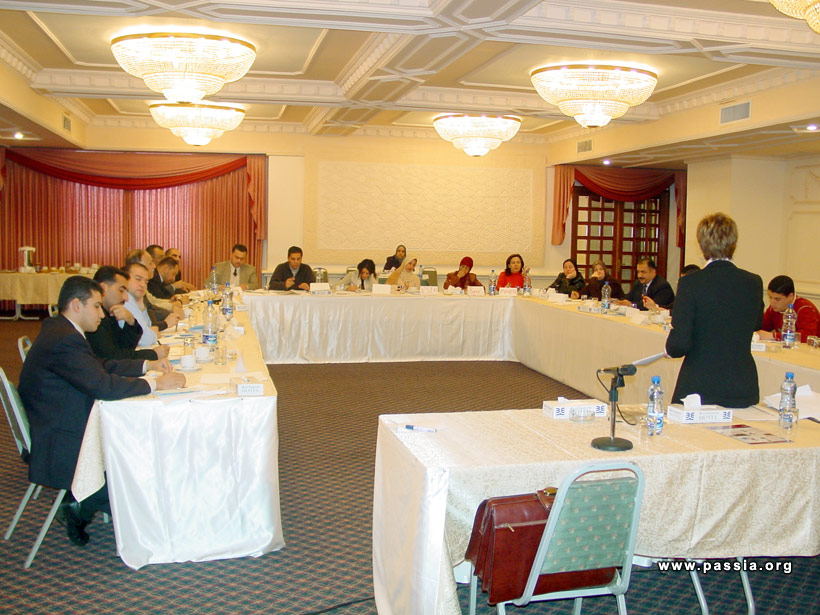
The training program is designed to enhance participants’ knowledge of leadership and leadership practices in order to improve their skills and competencies to lead and supervise others. The course will focus on practical training and hands-on exercises in relevant fields and concepts and is structured as follows:
Preparation. Prior to the seminar the selected participants will be provided with a reading package, which will enable them to become familiar with the course material. Each participant will be required to write a brief paper on a subject related to the seminar.
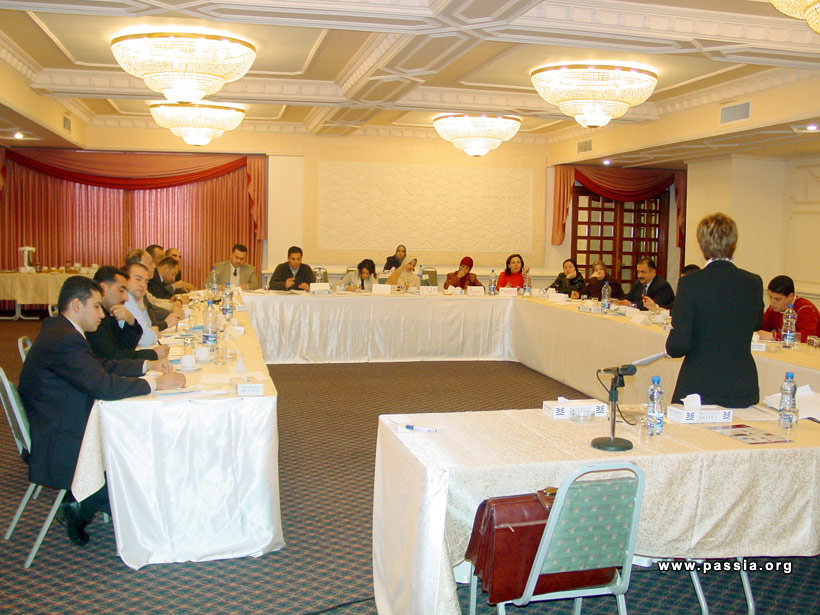
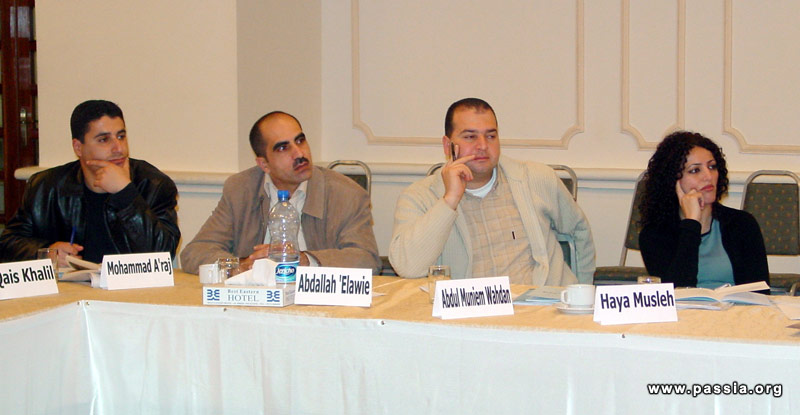
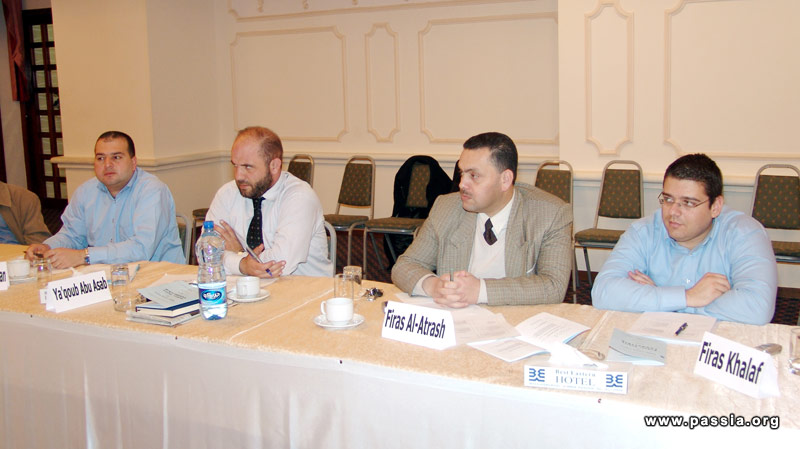
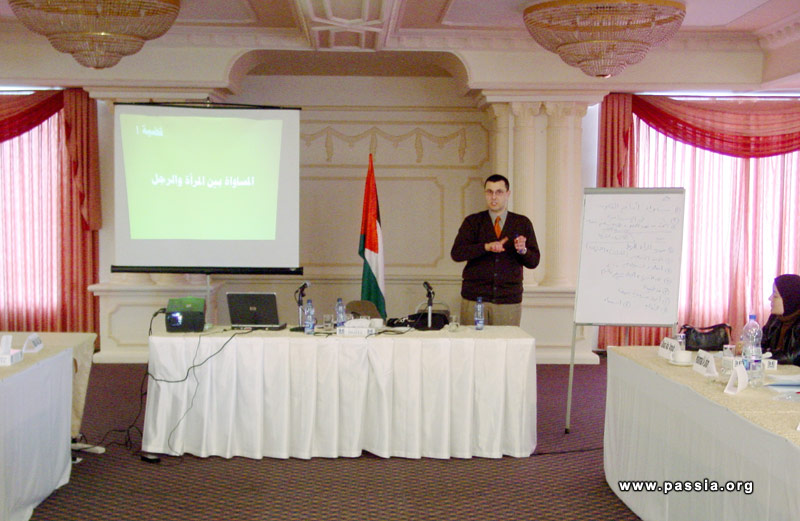
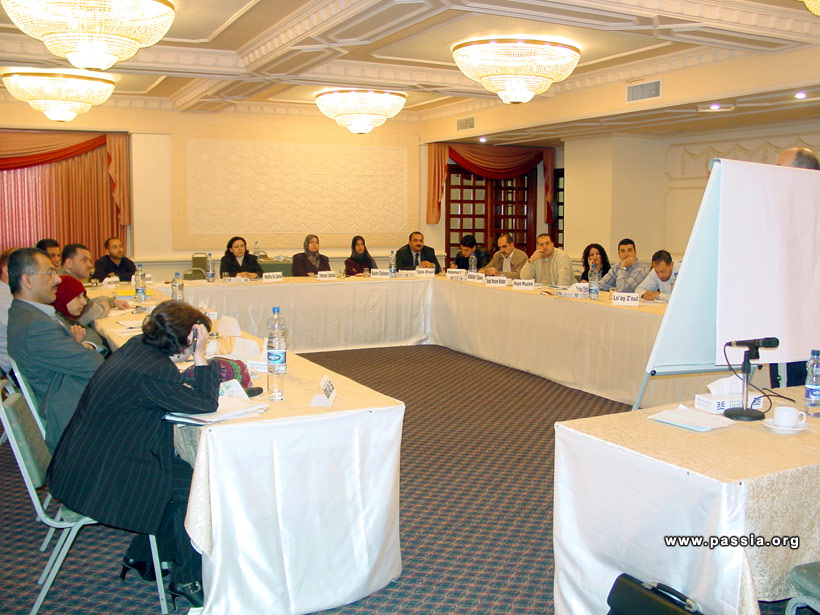
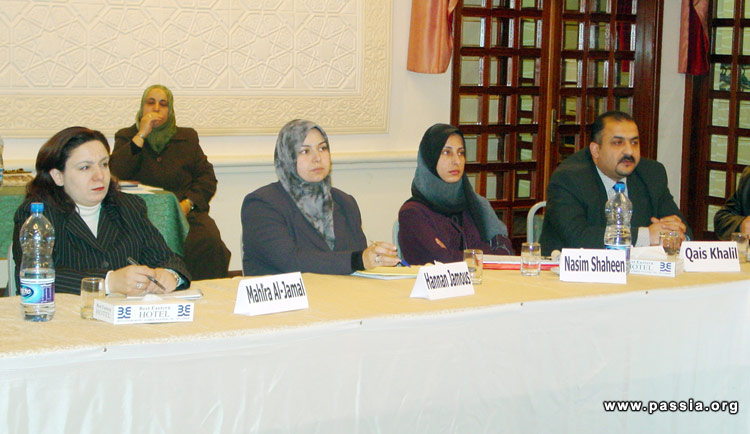
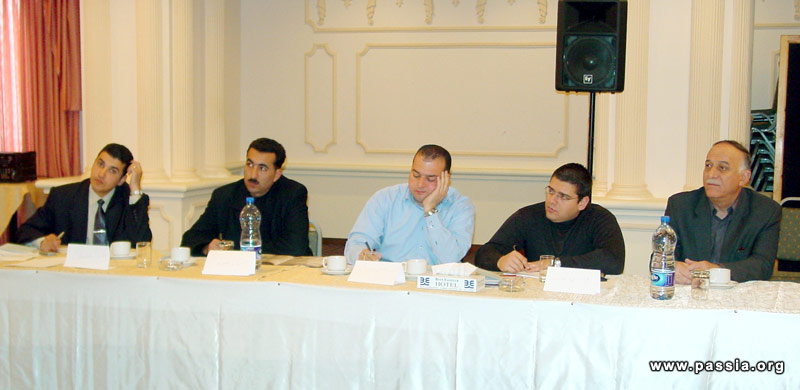
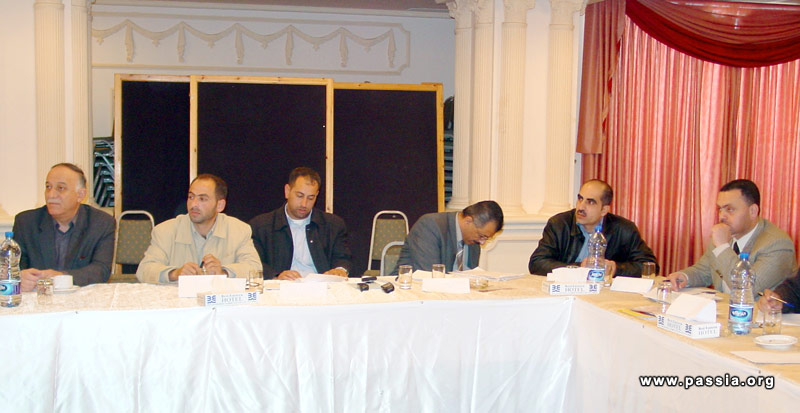
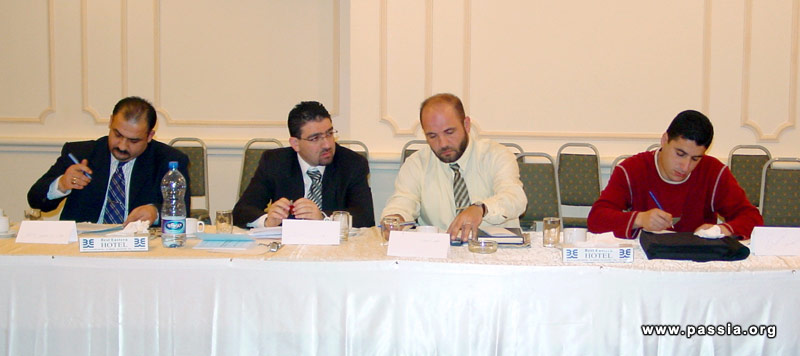
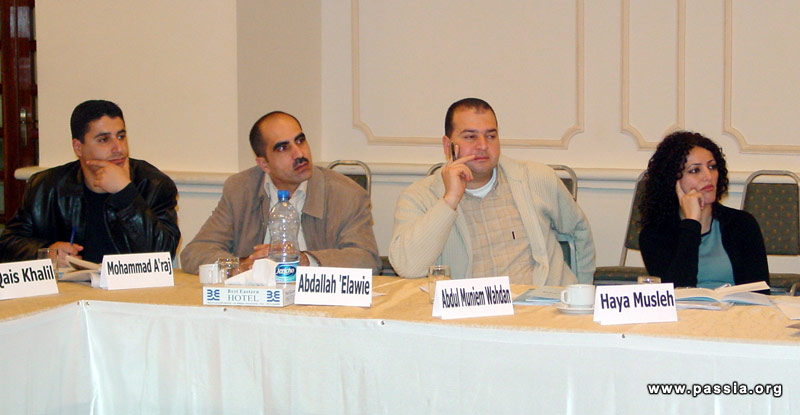
Intensive Seminar. During a four-day intensive seminar experts will introduce key issues in public policy leadership and establish a fundamental background on the concepts and practice of related issues (e.g., communication skills). Participants will learn from case studies and be encouraged to relate their training to actual issues and experiences at their working places. More specifically, this course will tackle the following issues:
- Understanding what makes a leader
- Team-building
- Conducting effective meetings
- Decision-making
- Problem-solving
- Policy-formulation/policy-making processes
- Identifying/addressing/managing public policy issues
- Creating/influencing public opinion
Conclusion. At the close of the training program, certificates will be awarded by PASSIA to participants who successfully complete the program.
Application Requirements
The training program is designed for Palestinian candidates, aged 25-40 years, who hold a leading position (i.e., one that includes direct supervision of others) and/or are concerned with activities that require a leadership role (e.g., leading a youth group). Priority will be given to candidates who are employed in the public administration (government and municipal sectors) and who want to enhance their leadership skills. Applicants must be able to commit themselves full-time throughout the required period and to undertake preparatory reading and written work.
Procedure
Completed application forms must be submitted to PASSIA by Thursday, 17 February 2005. PASSIA will then invite short-listed applicants to interviews. Applicants will be notified of the results and, upon selection, participants will have to confirm their commitment to full-time participation in writing as well as submit a letter from their employers confirming that they will be exempted from work during the required period.
The PASSIA Training Program will take place from 19-22 March 2005 in Ramallah. Accommodation will be provided for participants from Gaza.
Lecture Program
March 19, 2005
9:30 a.m. – 10:30 a.m. – Welcoming Address / The Concept of Leadership in the Arab World
Dr. Mahdi Abdul Hadi, Chairman of PASSIA, Jerusalem
10:30 a.m. – 11:30 a.m. – Psychology of Leadership I (leadership types, various personalities, convincing others, leaving an impression, understanding what makes a leader / leadership in cultural and situational contexts)
Dr. Nadia Najjab, Assistant Professor, Department of Education and Psychology, Birzeit University
11:30 a.m. – 11:45 a.m. – Break
11:45 a.m. – 12:30 p.m. – Psychology of Leadership contd.
Dr. Nadia Najjab
12:30 p.m. – 1:30 p.m. – Psychology of Leadership contd.
Dr. Nadia Najjab
1:30 p.m. – 4:30 p.m. – Participants’ Assignment Presentation & Discussion
Dr. Mahdi Abdul Hadi
March 20, 2005
9:15 a.m. – 10:45 a.m. – Decision-Making and Supervision Skills I (taking charge, delegating work, motivating others)
Dr. Asma Imam, Project Manager, East Jerusalem Hospitals Coordination Project, Welfare Association / Lecturer, Health Management, Al-Quds University, Jerusalem
10:45 a.m. – 11 a.m. – Break
11 a.m. – 12:30 p.m. – Decision-Making and Supervision Skills II (chairing meetings, building and working in teams, negotiating skills)
Dr. Asma Imam
12:30 p.m. – 1:30 p.m. – Lunch
1:30 p.m. – 3 p.m. – Leading and Managing People: Communication and Problem Solving Skills
Dr. Asma Imam
March 21, 2005
9:15 a.m. – 10:45 a.m. – Policy-formulation/policy-making processes (identifying/addressing/managing public policy issues)
Dr. Ali Jirbawi, Professor of Political Science, Birzeit University
10:45 a.m. – 11 a.m. – Break
11 a.m. – 12:30 p.m. – Players & their roles in the policy process (Interest Groups and Lobbyists; Legislative and Executive; Administration; Courts)
Dr. Ali Jirbawi
12:30 p.m. – 1:30 p.m. – Lunch
1:30 p.m. – 4 p.m. – Exercise
Dr. Ali Jirbawi
March 22, 2005
9:30 a.m. – 11 a.m. – Policy-Making: A Case Study from the Government/Public Sector
Jamal Shobaki, PLC Member, Hebron Constituency
11 a.m. – 11:15 a.m. – Break
11:15 a.m. – 12:45 p.m. – Creating/influencing public opinion (with exercises)
Omar Barghouti, Independent Political and Cultural Analyst
12:45 p.m. – 1 p.m. – Lunch
1 p.m. – 3 p.m. – Creating/influencing public opinion, contd.
Omar Barghouti
3 p.m. – 4 p.m. – Exercise
Dr. Mahdi Abdul Hadi