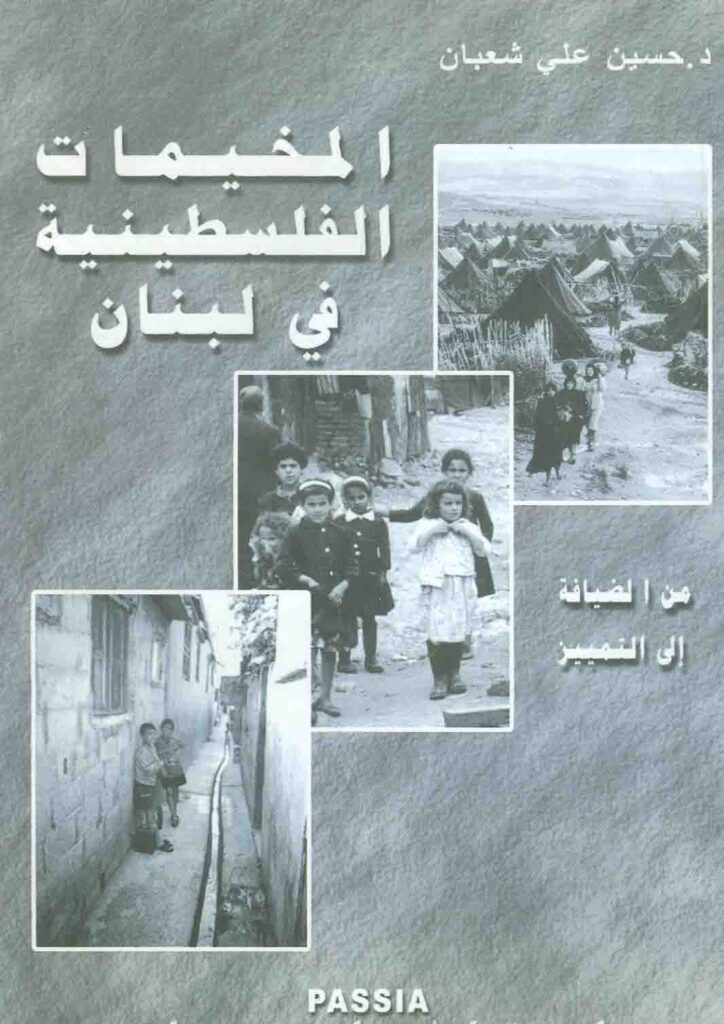
The writer seeks to answer a number of imperative questions concerning the daily suffering and distress of Palestinian refugees in Lebanon, who were hosted by the Lebanese government following the...
The writer seeks to answer a number of imperative questions concerning the daily suffering and distress of Palestinian refugees in Lebanon, who were hosted by the Lebanese government following the Palestinian “Nakba” in 1948. The first chapter presents details about the living conditions of refugees in official, non-official and peripheral camps as well as in town and village aggregations. Figures on refugee numbers and information on relief, infra structure, water, income, employment and labor services are provided. The second chapter is a systematic historic narrative on the formal Lebanese policy towards refugees, including statements and positions of Lebanese thinkers and decision-makers. The third chapter tackles international and local relief services while the fourth chapter ex amines the major characteristics of the daily crisis facing the refugees and the obstacles of unemployment, poverty, illiteracy, immigration, sickness, lopsided social composition in favor of women, and, drop ping marriage rates among females. Finally the writer draws a number of conclusions regarding the causes of suffering among Palestinian refugees in Lebanon and their current and future social consequences.